Viktor Jung · 31 August 2026
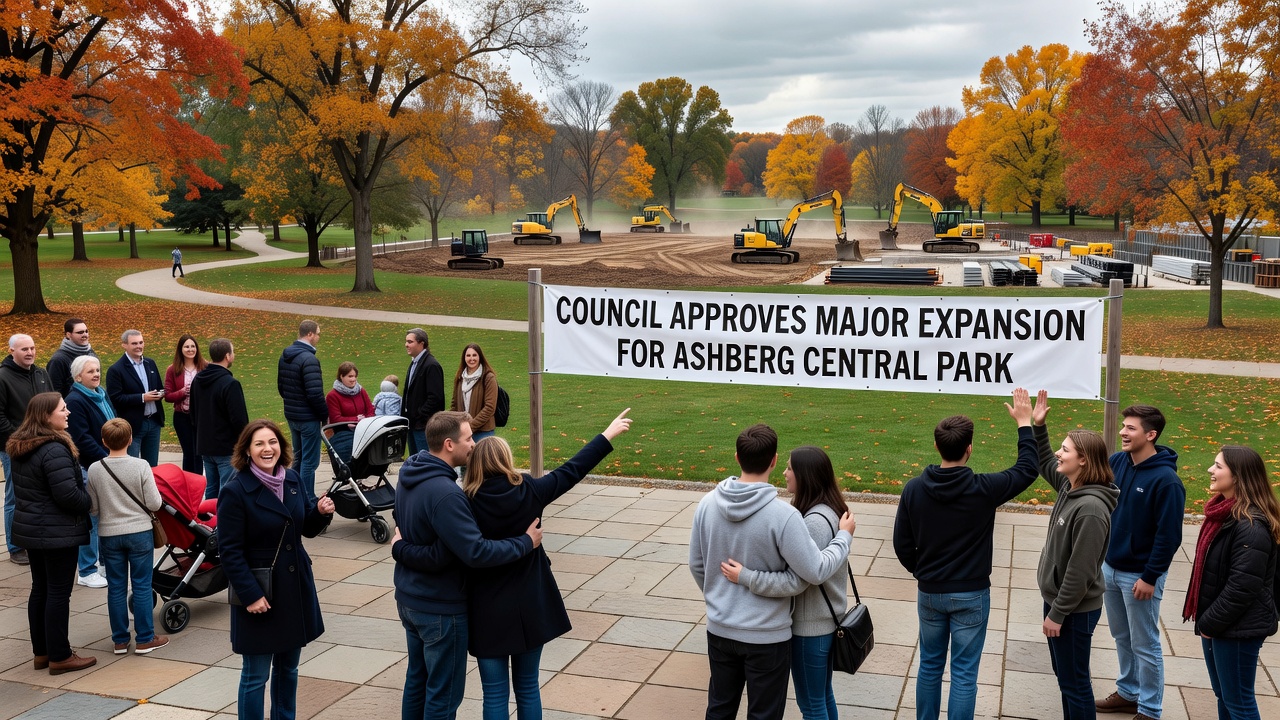
The Ashberg City Council voted 5-2 Tuesday evening to approve a 15-acre expansion of Central Park, adding new recreational facilities and green space to the downtown area. The measure authorizes $4.2 million in funding through municipal bonds and is expected to begin construction next spring. Council members cited growing population demands and limited open space as primary drivers for the project.
Meeting Proceedings
During the three-hour session, planners presented designs featuring two additional playgrounds, a 1.5-mile looped walking trail, native plant gardens, and improved lighting along existing paths. Mayor Elena Vargas emphasized that the expansion would connect to the riverfront trail system, enhancing pedestrian access for residents in the north and east neighborhoods. Opposition came from Councilors Mark Ellison and Priya Patel, who raised concerns over maintenance costs projected at $180,000 annually and potential disruption to local wildlife habitats. After amendments requiring an environmental impact study within 90 days, the final vote passed along party lines with support from the majority bloc.
Public comment included statements from 12 residents, several of whom advocated for inclusive features such as wheelchair-accessible equipment and shaded seating areas. City staff confirmed that 40 percent of the new acreage will remain as undeveloped meadow to preserve biodiversity. Funding details specify that 60 percent of bond revenue will come from property tax increments over 15 years, with the remainder drawn from state grants already secured for urban green initiatives.
Future Plans
Project timelines call for site preparation in March followed by phased openings beginning in late 2026. The Parks Department will host three community workshops next month to gather input on specific amenities like picnic shelters and fitness stations. Officials noted that similar expansions in neighboring towns have increased property values by an average of 8 percent within a half-mile radius while reducing urban heat island effects. Councilor James Rivera stated the decision reflects long-term investment in public health, pointing to recent studies linking park access with lower rates of cardiovascular disease among nearby populations. Further reviews by the planning commission are scheduled before final permits are issued.