Quinn Griffin · 22 September 2026
Ashberg’s Overlooked Connections: How University Research, Health Initiatives, and Art Expansions Influence District Economic Patterns
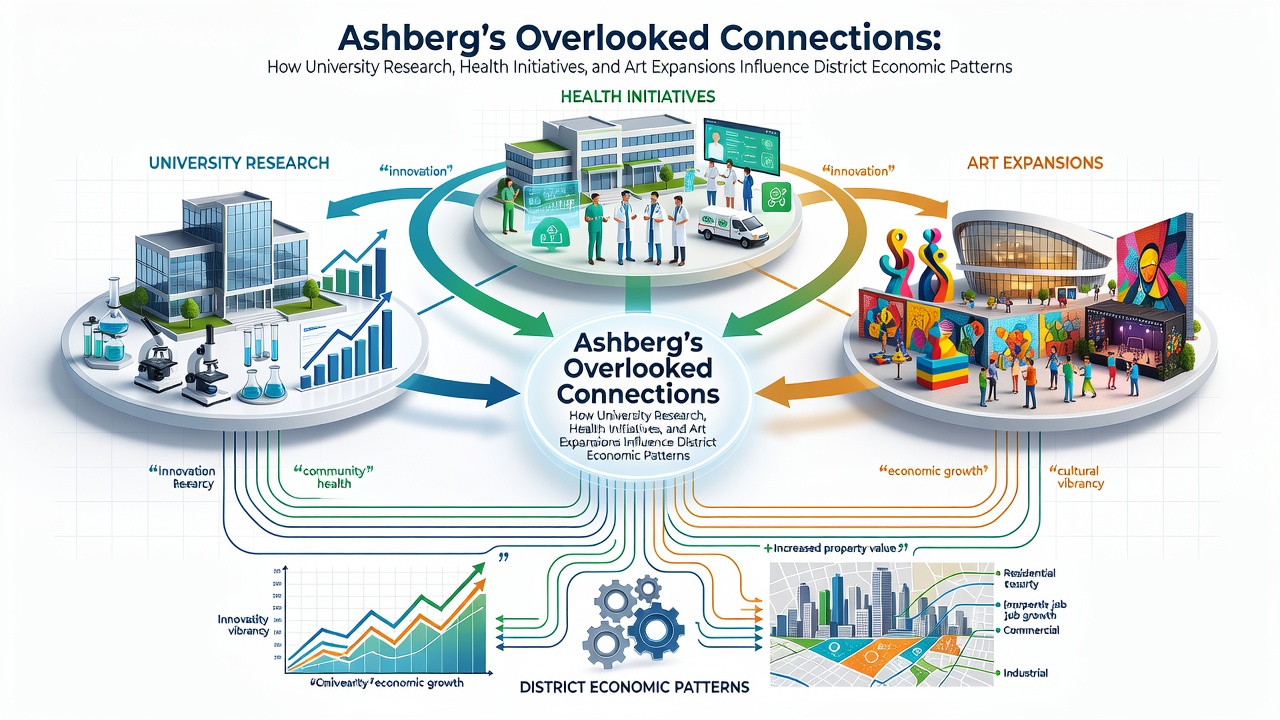
University research programs in Ashberg have established direct pathways to local business formation while health initiatives and art expansions create overlapping economic effects that reshape employment and investment across the district. Data from regional tracking systems shows these elements operate together rather than in isolation, producing measurable shifts in commercial activity and property values since the early 2020s. Observers note that partnerships between academic institutions and district planners have accelerated technology transfer into small enterprises, particularly in life sciences and digital design fields.
University Research Driving Innovation Clusters
Research output from Ashberg’s primary academic centers has generated licensing agreements and startup activity that feed into the district’s broader economy. Studies conducted through the local technical institute reveal consistent patterns where laboratory findings move into commercial applications within three years on average, supported by targeted grant structures and shared facilities. This process has contributed to a documented rise in specialized employment sectors, with figures indicating growth in knowledge-based roles between 2023 and 2025. Economic mapping by district analysts demonstrates that these clusters attract supplementary services such as logistics and professional consulting, creating secondary job creation beyond the original research teams.
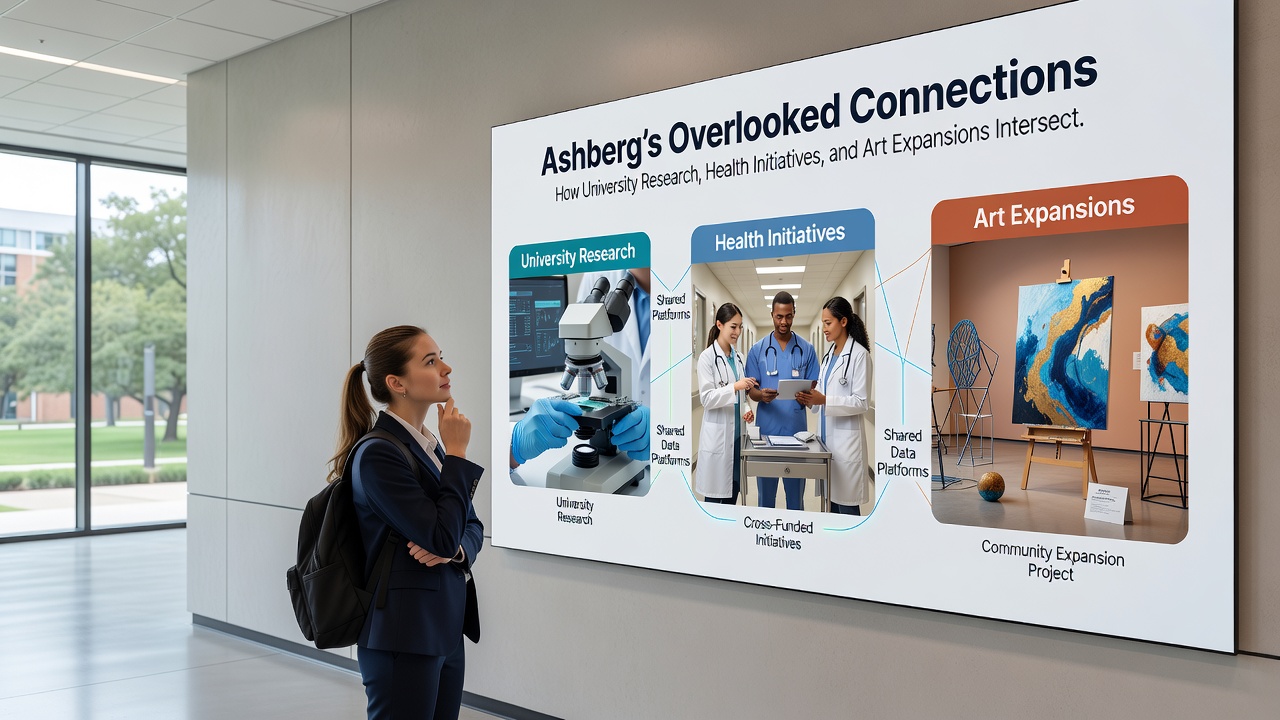
Collaboration agreements signed in 2024 between the university system and local health providers have extended this influence into applied medical technology, where prototypes developed on campus undergo testing in district clinics. Such arrangements produce revenue streams that circulate back through supplier networks and training programs, reinforcing a cycle of skill development and business expansion.
Health Initiatives and Workforce Productivity
Health initiatives rolled out across Ashberg incorporate preventive care programs and workplace wellness frameworks that correlate with reduced absenteeism in key industries. District health reports indicate that coordinated efforts between public agencies and private employers have expanded access to screening and rehabilitation services, with participation rates climbing steadily through 2025. These programs align with productivity metrics tracked by labor statistics offices, showing lower turnover in participating firms compared to non-participants. The resulting stability supports longer-term planning for both employers and employees, which in turn sustains consumer spending patterns within the district.
Integration of university-derived health data into these initiatives has refined targeting of interventions, allowing resources to address specific demographic needs identified through ongoing studies. This evidence-based approach has produced measurable improvements in community health indicators that feed into broader economic resilience, including sustained participation in retail and service sectors.
Art Expansions as Catalysts for Cultural Commerce
Art facility expansions completed in recent years have diversified the district’s commercial landscape by drawing visitors and supporting creative sector enterprises. Records from cultural planning offices document increased foot traffic around new venues, which correlates with higher occupancy rates for adjacent retail and hospitality spaces. Artists and small galleries operating in these areas benefit from footfall generated by larger institutions, creating a layered market that extends beyond traditional tourism. Economic analyses conducted by independent research groups track rising property utilization in these zones, with mixed-use developments incorporating studio and exhibition space alongside commercial units.
Programs linking art organizations with university design departments have produced public installations and events that run through September 2026, scheduled to coincide with district-wide cultural festivals. These activities generate temporary employment in production and event management while establishing ongoing networks between creators and local businesses. Revenue from ticketed programs and merchandise sales circulates through supply chains that include printing, catering, and transportation services within Ashberg.
Interconnected Effects on District Economic Patterns
The convergence of research activity, health programming, and art development produces compounding effects visible in district-level investment data. Property assessments reveal appreciation in areas where multiple initiatives overlap, while employment surveys show workers transitioning between sectors more fluidly than in previous decades. Planning documents from municipal bodies outline how infrastructure upgrades funded through these combined streams improve connectivity and reduce operational costs for enterprises. Observers tracking these patterns identify feedback loops where improved health outcomes support higher attendance at cultural events, which in turn raises visibility for research outputs showcased in public venues.
Reports issued by the OECD highlight similar multi-sector approaches in comparable urban districts, noting that coordinated investments yield broader distribution of economic gains across resident populations. In Ashberg, alignment between academic calendars, health outreach cycles, and exhibition schedules has created predictable surges in local commerce that businesses have begun to anticipate in their operational models.
Conclusion
Patterns emerging from Ashberg demonstrate that university research, health initiatives, and art expansions function as linked components within the district economy. Evidence compiled through academic studies, health metrics, and cultural participation data illustrates consistent interactions that shape employment, investment, and service provision. Continued monitoring through established reporting channels will clarify how these connections evolve in response to future policy adjustments and external conditions.