Yara Schmidt · 6 October 2026
District Races Highlight Tension Between River Cleanup Initiatives and Road Expansion Proposals
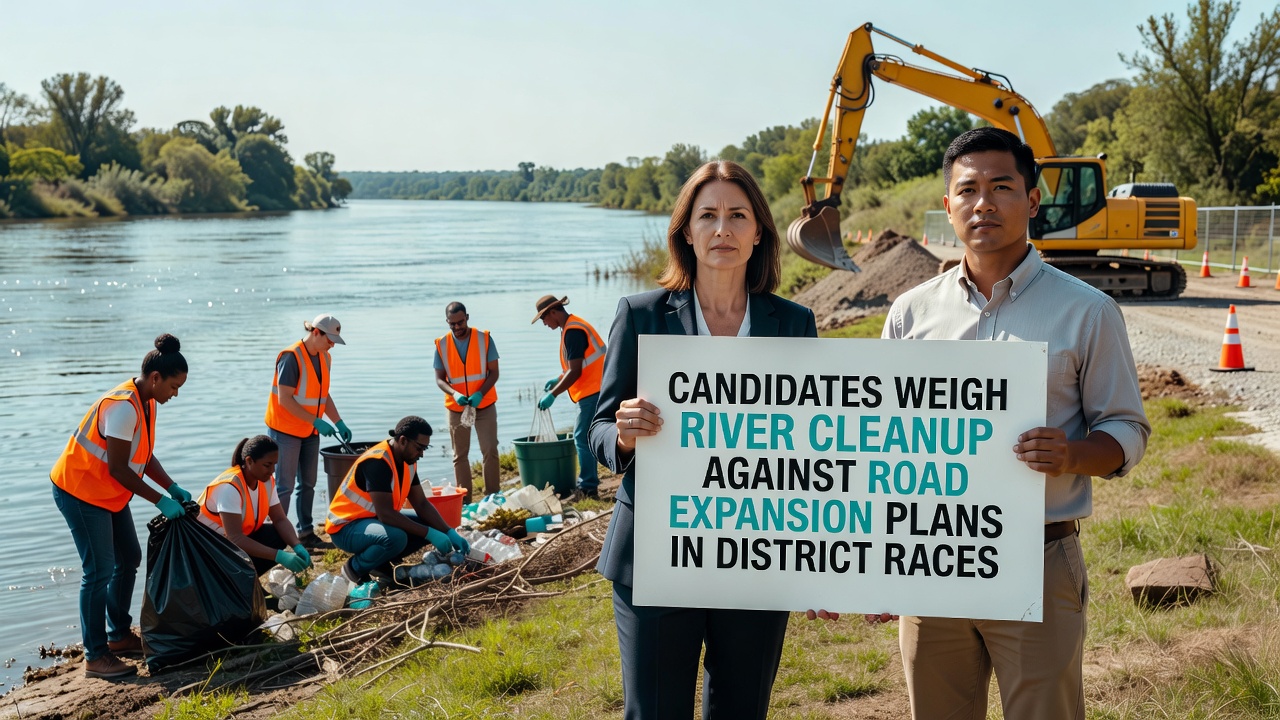
Local elections scheduled for late 2026 have brought renewed attention to competing infrastructure priorities across Ashberg districts, where candidates must address both river restoration efforts and proposals for expanded roadways. Observers note that these races feature candidates who present detailed positions on environmental remediation alongside transportation upgrades, with voters weighing the tradeoffs in October 2026 forums and debates.
Research from environmental agencies shows that river cleanup projects in urban districts often target pollution reduction and habitat restoration, while road expansion plans aim to ease congestion and support commercial access. Data from transportation studies indicates that districts with higher traffic volumes experience measurable delays, prompting some candidates to advocate for widening key routes even as others push for stricter protections on nearby waterways.
Background on District Priorities
Multiple districts in the Ashberg area have seen population growth that strains both natural resources and existing road networks, according to planning reports released in 2025. Candidates in these races frequently reference specific proposals, including sediment removal along riverbanks and new bypass lanes on major thoroughfares. Those who've studied similar local contests point out that funding sources often overlap, which creates direct competition for budget allocations.
Environmental assessments compiled by regional bodies reveal elevated contaminant levels in several river segments, prompting cleanup initiatives that include stormwater management upgrades. At the same time, traffic modeling from transportation departments projects continued increases in vehicle counts through 2030, leading candidates to outline phased road improvements in their platforms.
Candidate Approaches in October 2026 Debates
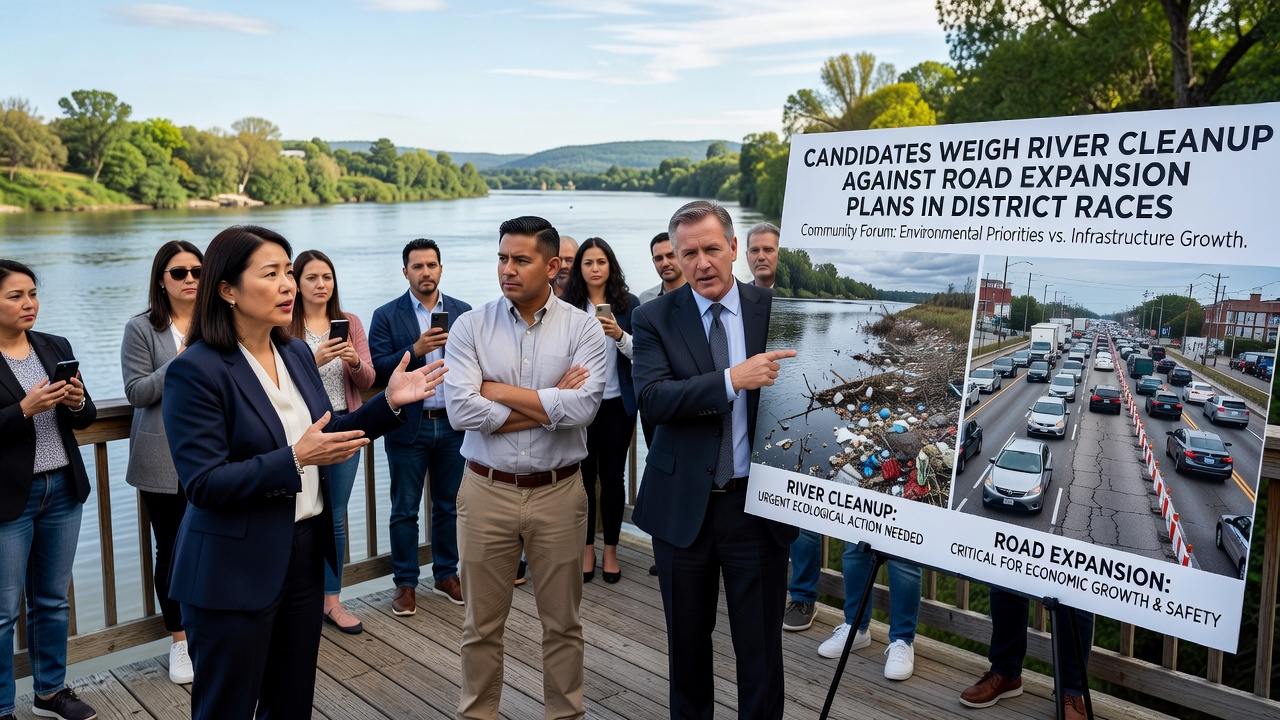
During October 2026 district forums, candidates have outlined timelines that balance short-term road repairs with longer-term river projects. One group emphasizes immediate cleanup grants that draw on federal environmental programs, while another highlights economic modeling that ties road capacity to job growth in commercial zones. Studies from academic research centers indicate that integrated planning can sometimes reduce overall costs when projects share infrastructure corridors.
Figures from past election cycles show turnout rises when infrastructure issues dominate, and current candidates reference polling data that tracks voter preferences on these topics. Experts have observed that presentations often include cost estimates, with river cleanup estimates ranging higher due to regulatory requirements, whereas road expansions may qualify for additional matching funds from state programs.
Impacts on Local Communities and Economy
Community impact analyses prepared by local planning offices demonstrate that river restoration can improve adjacent property values over time, while road expansions may shorten commute durations for residents. Candidates frequently cite these reports when addressing mixed-use neighborhoods where both types of projects could affect daily life. Data indicates that districts balancing both approaches have seen varied outcomes depending on implementation sequencing.
Take one case where district planners coordinated a riverbank stabilization effort with nearby road resurfacing, which reduced separate permitting timelines according to municipal records. Researchers discovered that such coordination sometimes accelerates overall project delivery, though it requires candidates to negotiate shared timelines during campaign events. Those who've reviewed district budgets note that allocation decisions in October 2026 will influence which projects advance first.
Funding Mechanisms and Regulatory Context
Funding streams for these initiatives draw from environmental protection allocations and transportation grants, with candidates detailing how they would prioritize applications. Reports from European environment agencies highlight successful models where river projects receive supplemental support through cross-border partnerships, and similar patterns appear in North American district planning documents. Candidates reference these examples when explaining potential revenue sources beyond local taxes.
Regulatory frameworks require environmental impact reviews for both river and road work, which adds review periods that candidates address in their schedules. Observers note that districts with overlapping project zones have formed task forces to streamline approvals, and several October 2026 candidates have proposed expanding such groups if elected.
Conclusion
As October 2026 approaches, district races continue to feature detailed discussions on river cleanup versus road expansion, with candidates presenting data-driven platforms that outline specific timelines and funding strategies. Election outcomes will determine which combination of projects receives priority, based on voter responses to the presented tradeoffs and supporting analyses from planning and environmental sources.